New customers save 5% with the code GET05



Physics Lab Equipment Exporter in India : Esaw India
by Akash Dhawan
The study of physics is essentially the study of how the universe behaves. From the microscopic dance of subatomic particles to the majestic movement of celestial bodies, physics provides the fundamental framework for all natural sciences. However, the beauty of physics cannot be fully appreciated through textbooks alone. It requires hands-on experimentation, precise measurement, and the ability to visualize abstract concepts through physical apparatus. This is where the significance of a high-quality Physics Lab Equipment Exporter in India becomes evident, bridging the gap between theoretical knowledge and practical discovery for educational institutions across the globe.
India has emerged as a formidable powerhouse in the manufacturing of scientific instruments. The country’s unique blend of traditional craftsmanship and modern engineering has created a niche market that caters to schools, colleges, and research universities worldwide. For decades, Indian manufacturers have honed their skills in creating durable, accurate, and cost-effective apparatus. Today, choosing a reliable Physics Lab Equipment Exporter in India is a strategic decision for international procurement officers who seek to balance budget constraints with the uncompromising need for precision and safety.
The Evolution of Physics Instrumentation in India
The history of scientific manufacturing in India is deeply rooted in industrial clusters like Ambala, often referred to as the "Science City of India." These clusters have evolved from producing basic glass apparatus to sophisticated electronic sensors and digital data loggers. The primary reason for this growth is the relentless focus on the curriculum requirements of various international boards, including IB, Cambridge (IGCSE), and various national standards in Africa and the Middle East.
An experienced Physics Lab Equipment Exporter in India understands that a spectrometer destined for a university in Europe requires a different level of calibration and finishing compared to a basic optics kit for a primary school in Southeast Asia. This versatility in production allows Indian exporters to serve a diverse global clientele, ensuring that every student, regardless of their geographical location, has access to tools that spark curiosity and facilitate learning.
Comprehensive Range of Physics Apparatus
Physics labs are divided into several specialized branches, each requiring a distinct set of instruments. Indian exporters have mastered the production across these varied domains:
1. Mechanics and Properties of Matter The foundation of physics lies in mechanics. Exporters provide essential tools such as Vernier calipers, micrometers, and screw gauges that are fundamental for teaching measurement. Beyond these, complex apparatus like the Force Table, Fletcher’s Trolley, and various types of Pendulums are manufactured to demonstrate the laws of motion, gravity, and equilibrium. The durability of these items is paramount, as they are often subjected to heavy use by students.
2. Optics and Light Optics is perhaps the most visually engaging part of the physics curriculum. High-quality optical benches, sodium vapor lamps, and precision-engineered prisms and lenses form the core of the export catalog. Spectrometers manufactured in India are particularly renowned for their accuracy in measuring the refractive index and studying the spectrum of light.
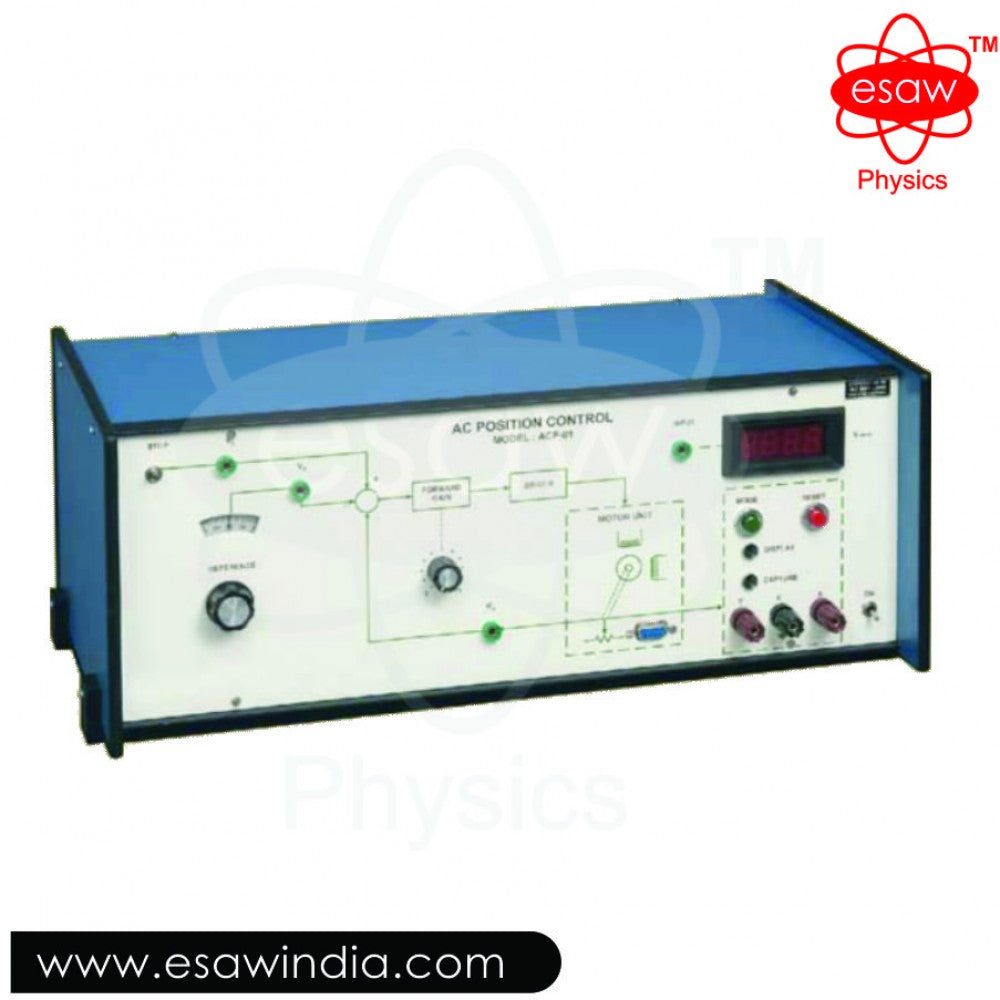
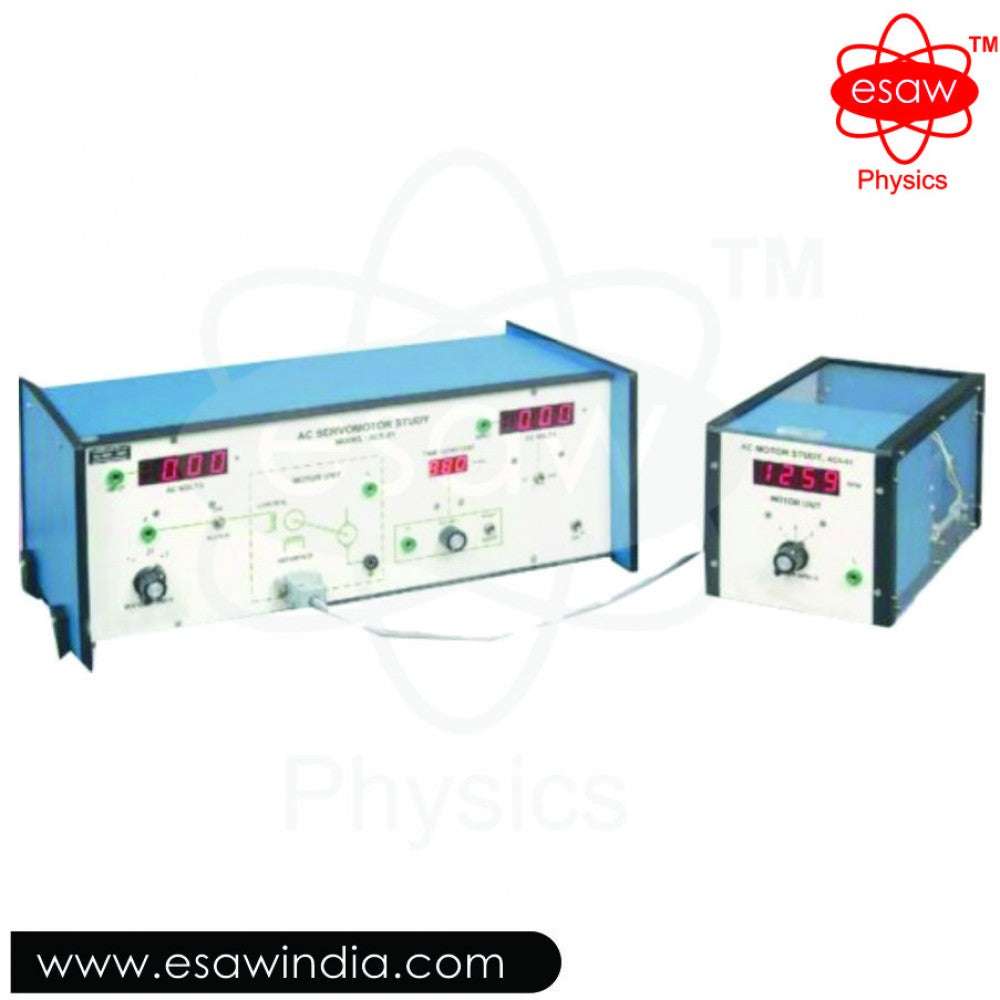
3. Electromagnetism and Electronics In the age of technology, understanding electricity and magnetism is crucial. From basic components like resistance boxes and rheostats to advanced bridge circuits like the Wheatstone Bridge and Potentiometers, Indian exporters provide a full spectrum of electrical measuring instruments. Galvanometers, Ammeters, and Voltmeters are produced with high-sensitivity movements to ensure accurate readings in sensitive experiments.
4. Thermodynamics and Heat Concepts like thermal expansion, specific heat capacity, and the laws of thermodynamics are explored using calorimeters, steam boilers, and thermal conductivity apparatus. Indian manufacturers ensure that these heat-related instruments are built with safety as a priority, using materials that can withstand high temperatures without compromising the structural integrity of the device.
Quality Standards and Global Compliance
One might wonder how India maintains its dominance in this sector despite stiff global competition. The answer lies in strict adherence to international quality standards. A reputable Physics Lab Equipment Exporter in India ensures that their products carry certifications such as ISO 9001 and the CE mark. These certifications are not merely badges; they represent a commitment to quality control, rigorous testing, and safety protocols.
Moreover, the materials used in production—be it high-grade stainless steel, non-corrosive brass, or toughened borosilicate glass—are selected to ensure longevity. In many developing nations, school budgets are limited, and equipment must last for several years. Indian exporters have mastered the art of "frugal innovation," creating high-end results using efficient manufacturing processes that pass on the cost savings to the end-user without sacrificing the scientific integrity of the results.
Navigating the Logistics of International Export
Exporting sensitive scientific equipment requires more than just manufacturing prowess; it requires logistical expertise. Precision instruments like spectrometers or sensitive galvanometers can easily be damaged by vibrations or moisture during sea or air transit. Therefore, a professional Physics Lab Equipment Exporter in India employs specialized packaging techniques. This includes customized foam casing, vacuum sealing, and robust wooden crating to ensure that the equipment arrives at its destination in "plug-and-play" condition.
Furthermore, the documentation process—including certificates of origin, inspection reports, and compliance with the destination country’s import regulations—is handled with meticulous detail. This seamless end-to-end service is why institutions from Nigeria to the United Kingdom continue to rely on Indian suppliers for their laboratory infrastructure.
The Shift Toward Digital and STEM Education
The global educational landscape is shifting toward STEM (Science, Technology, Engineering, and Mathematics) and integrated learning. This has prompted Indian exporters to innovate. We are now seeing a surge in the export of digital sensors, USB-connected data loggers, and software-integrated physics kits. These tools allow students to capture real-time data on their laptops or tablets, bringing the traditional physics lab into the 21st century.
By providing these advanced tools, the Physics Lab Equipment Exporter in India plays a vital role in preparing the next generation of engineers and scientists. Whether it is a kit to study the photoelectric effect or a setup for Millikan’s Oil Drop experiment, the availability of high-end modern physics equipment at accessible prices is democratizing science education on a global scale.
Conclusion
The contribution of Indian manufacturers to the global scientific community cannot be overstated. By consistently delivering high-quality, reliable, and affordable instruments, India has cemented its status as a leading hub for educational supplies. The journey from a small workshop in Ambala to a world-class laboratory in a prestigious international university is a testament to the dedication of the Indian scientific industry. As we look toward a future where scientific literacy is more important than ever, the role of an integrated and quality-driven exporter remains indispensable in shaping the minds of future innovators.
Frequently Asked Questions
1. How do Indian exporters ensure the accuracy of precision instruments like spectrometers during long-distance shipping?
Precision instruments undergo a dual-stage process. First, they are calibrated and "locked" using transit screws or specialized clamps to prevent internal movement. Second, they are packed in multi-layered, shock-absorbent materials and often shipped in moisture-controlled containers to ensure that environmental factors do not affect the sensitive optics or mechanical alignments.
2. Can an Indian physics lab equipment exporter customize kits according to a specific country’s curriculum?
Yes, most established exporters specialize in curriculum-mapping. They can customize the components of a lab kit to align perfectly with specific educational boards such as AQA, Edexcel, or various African regional examinations. This includes modifying the technical specifications of instruments and providing manuals in the required language.
3. What is the typical lifespan of physics equipment manufactured in India for school use?
When maintained properly, most mechanical and optical instruments from reputable Indian manufacturers have a lifespan of 10 to 15 years. Items like optical benches, metal stands, and resistance boxes are designed for rugged laboratory environments. Exporters also provide spare parts and maintenance guides to ensure that minor repairs can be handled locally by the institution.
Tag:Ambala Scientific Instrumentsbest physics lab equipments manufacturerEducational Lab SuppliesGlobal Lab Equipment ExporterLaboratory Instrument SupplierOptics Bench ManufacturerPhysics Apparatus ManufacturerPhysics Equipment Exporterphysics lab EquipmentPhysics Lab Equipment DealerPhysics lab Equipment Dealer in IndiaPhysics Lab Equipment Dealer Indiaphysics lab equipment exporterphysics lab Equipment Exporter in indiaPhysics Lab Equipment in IndiaPhysics Lab Equipment ManufacturerPhysics Lab Equipment Manufacturer in IndiaPhysics Lab Equipment Manufacturer in India ESAWPhysics Lab Equipment Manufacturer India ESAWPhysics Lab Equipment Manufacturersphysics lab equipment manufacturers in indiaphysics lab Equipment supplier in IndiaSchool Science Lab KitsScientific Instruments Indiatop physics lab equipment manufacturer




Leave a comment