New customers save 5% with the code GET05


Educational Laboratory Equipment Manufacturer & Supplier | Esaw India
Science education is shifting rapidly from passive classroom memorization to active, inquiry-based experimentation. Textbooks can explain fundamental laws, but true comprehension happens when students observe a cell dividing, watch a chemical reaction change color, or calculate acceleration using real-world data.
For schools, universities, and technical institutes, establishing a modern science laboratory is a vital investment in student success. Partnering with a reliable Educational Laboratory Equipment Manufacturer ensures that students learn on instruments designed for precision, safety, and long-term durability.
In this comprehensive guide, we explore the essential laboratory setups required across scientific disciplines, key features to evaluate when procuring equipment, and how direct factory sourcing protects your institution's budget.
Essential Equipment across Scientific Disciplines
A fully equipped educational institution requires dedicated equipment tailored to specific curricula, from basic school science to advanced university research.
1. Biology and Life Sciences Laboratories
Life science experiments require high visual clarity to observe microscopic structures and biological processes.
-
Compound and Stereo Microscopes: Essential for studying cellular structures, plant histology, and micro-organisms. Advanced simul-focal trinocular models allow teachers to mount digital camera sensors to stream live microscopy onto large monitors.
-
Plant Physiology Apparatus: Tools like Ganong's and Farmer's Potometers (Transpiration Apparatus) measure water uptake rates in plant shoots, providing hands-on insight into plant water dynamics.
-
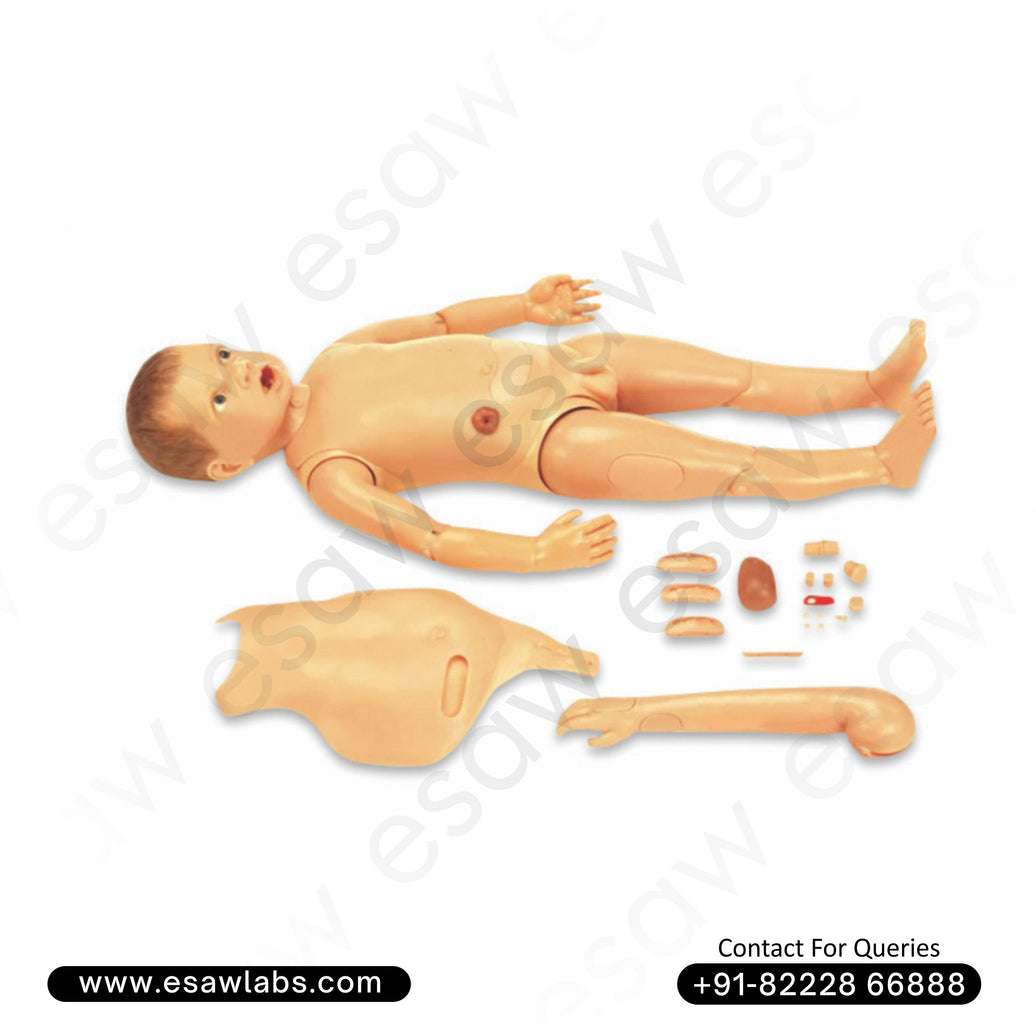
Anatomical Models and Dissection Kits: High-grade 3D biological models and stainless-steel dissection sets allow students to explore animal and human physiological systems safely.
2. Chemistry and Material Science Laboratories
Chemistry practicals involve heating, titrations, and chemical reactions, making thermal resistance and chemical purity critical.
-
Heavy-Duty Borosilicate 3.3 Glassware: Beakers, conical flasks, volumetric flasks, and measuring cylinders crafted from 3.3 borosilicate glass offer exceptional resistance to thermal shock and chemical corrosion.
-
Shatter-Proof Polymer Plasticware: Autoclavable Polypropylene (PP) and HDPE reagent bottles, test tube racks, and measuring jugs provide durable, break-resistant alternatives for high-volume student batches.
-
Analytical Instruments: Digital pH meters, conductivity/TDS meters, spectrophotometers, and precision electronic balances ensure accurate quantitative data collection during experiments.
3. Physics and Engineering Laboratories
Physics practicals demand physical durability and exact mathematical calibration.
-
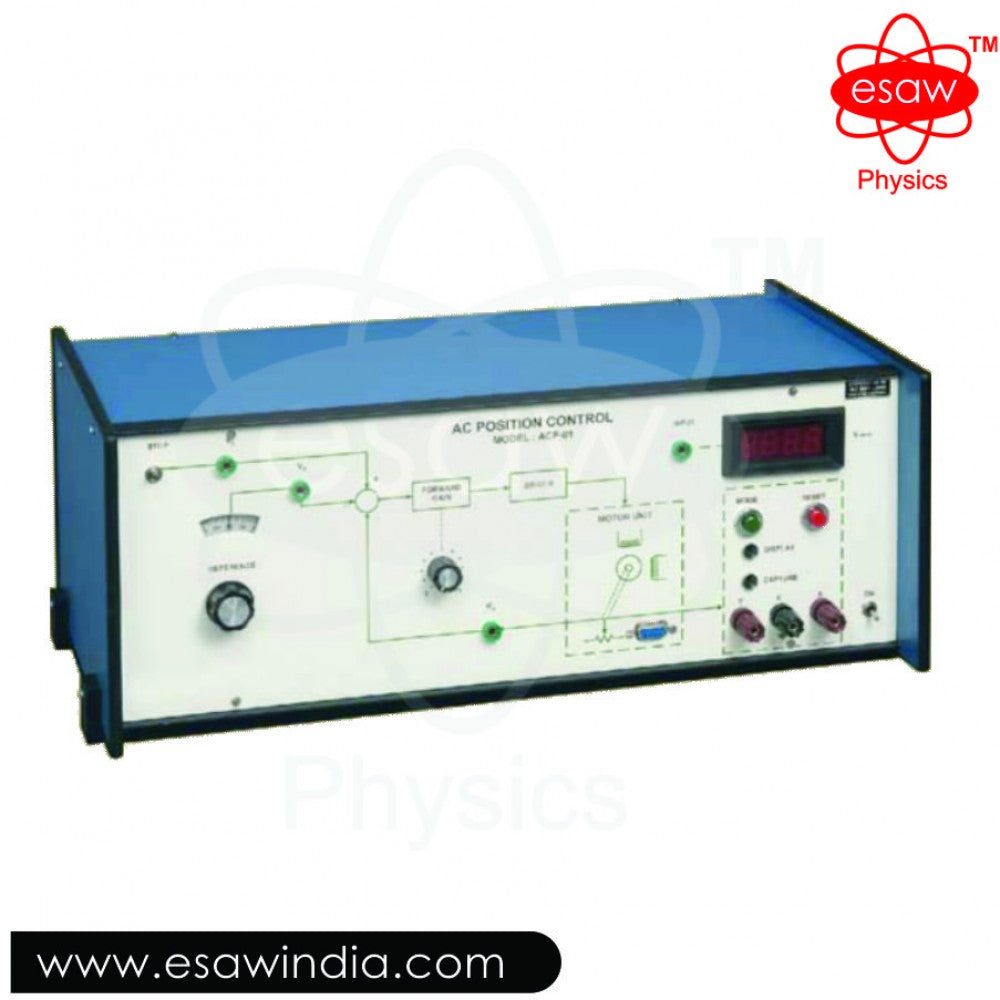
Mechanics & Optics: Optical benches with laser source setups, friction blocks, inclined planes, and pendulum apparatuses allow students to verify fundamental physical laws.
-
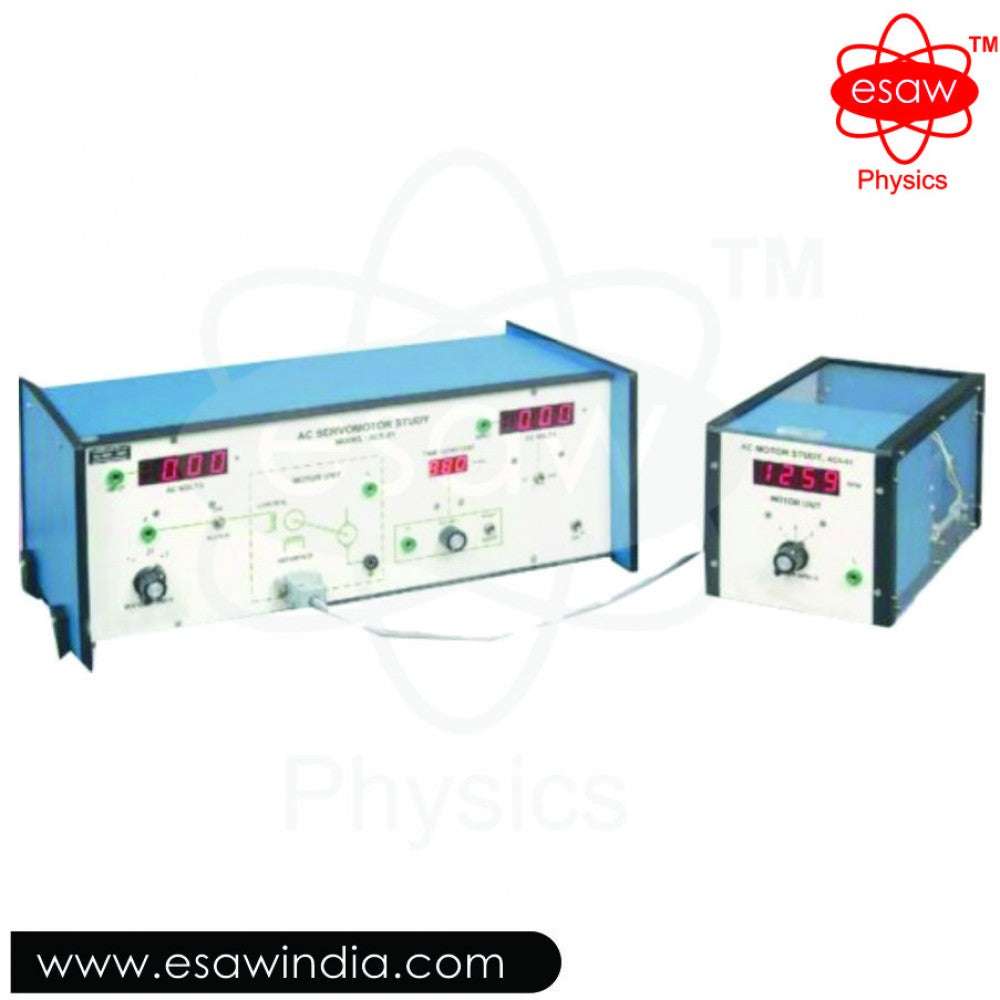
Electricity & Magnetism: Digital multimeters, Van de Graaff generators, resistance boxes, potentiometers, and dual-trace oscilloscopes form the core of electrical physics training.
Key Criteria for Selecting Educational Laboratory Equipment
When evaluating lab apparatus for academic institutions, procurement teams must look beyond initial pricing and prioritize operational performance:
1. Student Safety Standards
Educational labs accommodate hundreds of students each week. Equipment must feature rounded mechanical edges, non-toxic chemical coatings, locked components on microscopes to prevent accidental removal, and heat-resistant handles on heating equipment.
2. Structural Durability and Maintenance
School and college equipment faces heavy daily handling. Instruments built with heavy-duty metal housings, anti-fungal optical coatings on lenses, and permanently etched enamel graduations on glassware ensure long service life without frequent replacements.
3. Curriculum Alignment and Calibration Accuracy
Equipment must comply with relevant educational board syllabi (such as CBSE, ICSE, IB, or university technical frameworks). High-precision calibration ensures that experimental results closely match theoretical values, boosting student confidence during practical exams.
Why Buy Directly from an Equipment Manufacturer?
Sourcing educational laboratory equipment from third-party resellers or unverified traders often leads to higher costs, missing spare parts, and inconsistent quality. Partnering directly with a dedicated manufacturer like Esaw India provides clear institutional advantages:
-
Factory-Direct Cost Savings: Eliminating middleman markups allows schools and universities to stretch their procurement budgets further.
-
ISO & CE Quality Certification: Direct manufacturers adhere to strict cleanroom production standards and rigorous quality control protocols.
-
Availability of Spare Parts & Demonstration Support: Direct factory support ensures fast access to replacement components (like stage clips, bulbs, or electrodes) and comprehensive technical assistance.
Conclusion: Empowering the Next Generation of Scientists
Building a modern, fully equipped science laboratory is a lasting commitment to academic excellence. By providing students with accurate, durable, and safe laboratory equipment, educational institutions create an environment where scientific curiosity flourishes.
Esaw India masterfully combines over six decades of manufacturing expertise with modern scientific engineering to deliver world-class educational lab solutions. Upgrade your institution's laboratories today with factory-direct, certified equipment built for discovery.



Leave a comment